How to journal

Types of journaling, and how to find the one you’ll actually keep

There’s no correct way to journal. There’s the way you’ll still be doing in March.

There are dozens of ways to journal, but they all do one of five jobs: clear your head, make sense of how you feel, keep a record, make something, or get organized. Pick the job first. The method follows.

New to this? Three steps

  1. 1

    Learn the smallest version that works

    Journaling fails when it feels like homework. Start tiny, then grow it.

    How to start journaling →
  2. 2

    Get a prompt that fits your mood

    Pick what’s on your mind and how you’re arriving. It hands you one question and a timer.

    Journal prompt generator →
  3. 3

    Print a stack of questions

    240 prompts sorted by topic and mood, free when you join the mailing list.

    Get the prompt pack →

Which type of journaling suits you?

What do you want your journal to do?

Clear your head

For when there’s too much in there.

Brain dump

Write down everything in your head, in any order, until there’s nothing left: lists, worries, errands, half-thoughts.

Try it tonightSet a timer for ten minutes and don’t stop until it goes off. Then circle the three things that matter.

Time
5–10 min
You’ll need
Any paper

Good if your head feels like a browser with forty tabs open.

Read the guide →

Morning pages

Julia Cameron’s practice from The Artist’s Way: three pages of longhand, first thing in the morning, about whatever comes. (Julia Cameron on morning pages)

Try it tonightWrite three pages before you look at your phone. Don’t reread them for at least a week.

Time
30–45 min
You’ll need
A big notebook and a pen

Good if you like writing a lot and your mornings have room for it.

Read the guide →

Stream of consciousness

Continuous writing without stopping, editing or deciding what it’s about. The pen keeps moving, even if you write “I don’t know what to write.”

Try it tonightStart with “Right now I…” and keep going for fifteen minutes.

Time
10–15 min
You’ll need
Paper or a keyboard

Good if you overthink what you’re supposed to write.

Read the guide →

Make sense of how you feel

For when something needs working through.

Prompt journaling

Answer one question instead of facing a blank page. The prompt does the steering, so you only have to be honest.

Try it tonightPick a topic and a mood in the prompt generator, then write for fifteen minutes.

Time
10–15 min
You’ll need
A prompt

Good if blank pages freeze you.

Read the guide →

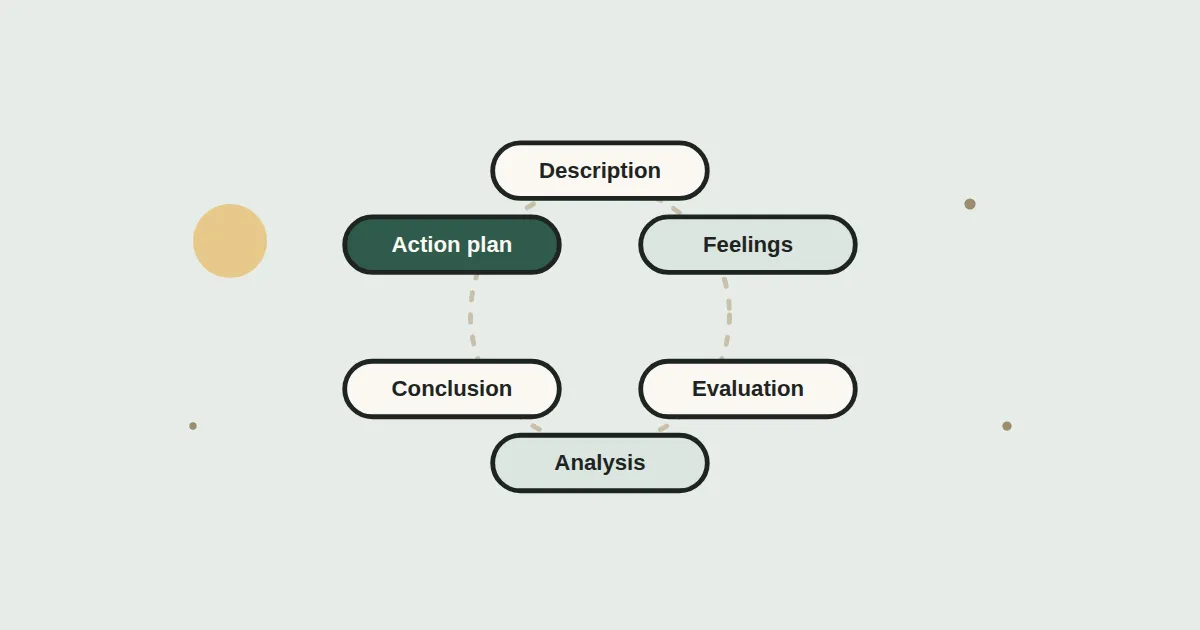
Reflective journaling

Look back at one experience: what happened, how you felt, what it taught you. Counseling and teaching courses often ask students to keep one.

Try it tonightPick one moment from today. Write what happened, what you felt, and what you’d do the same or differently.

Time
15 min
You’ll need
A notebook

Good if you want to learn from your days, not just record them.

Read the guide →

Gratitude journaling

Note a few things that went right or that you’re glad of. Specific beats grand: the parking space, not “my family.”

Try it tonightThree things, one line each, before bed.

Time
2–5 min
You’ll need
Anything

Good if your brain defaults to what went wrong.

Read the guide →

Unsent letters

Write to someone (a person, a past self, even an old job) knowing you’ll never send it. Say what you couldn’t say out loud.

Try it tonightStart with “Dear…” and stop when you’ve said the thing.

Time
15–20 min
You’ll need
Paper

Good if there’s a conversation stuck on repeat in your head.

Read the guide →

Keep a record of your life

For when the weeks are starting to blur.

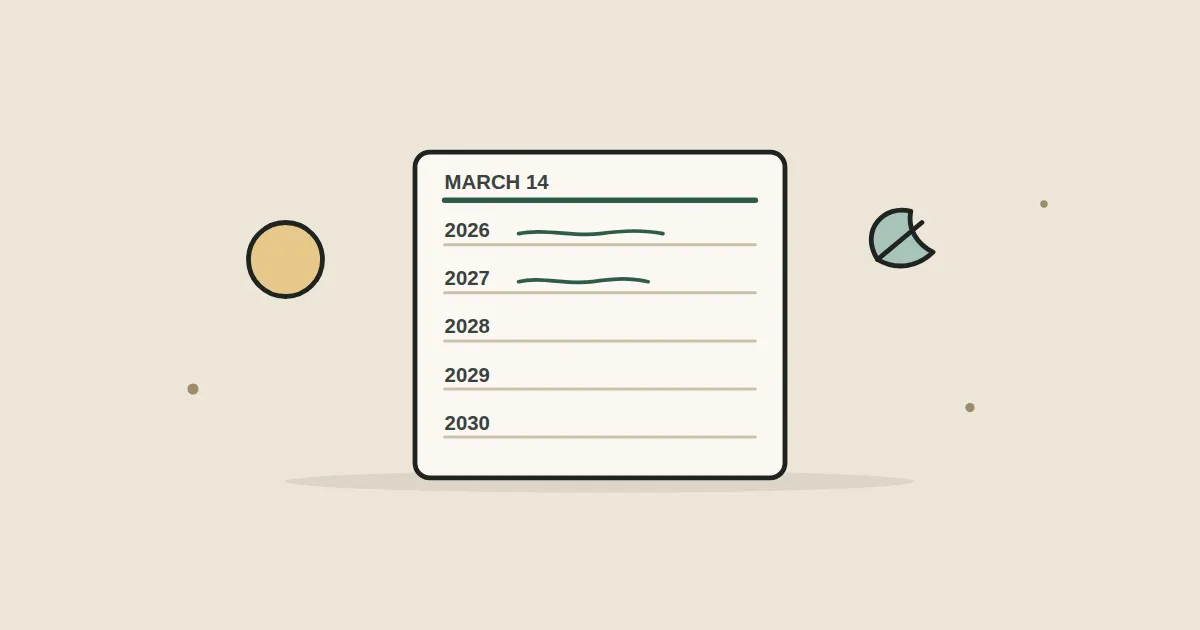
One line a day

One sentence per day, often in a five-year book where each page holds the same date across the years.

Try it tonightTonight, write one true sentence about today. That’s the whole habit.

Time
1–2 min
You’ll need
A notebook or a five-year journal

Good if you’ve quit longer journals before.

Read the guide →

Commonplace book

A notebook of things worth keeping: quotes, ideas, lines from books, things overheard. Writers have kept them for centuries.

Try it tonightCopy one line you read today and add a sentence on why it stuck.

Time
5 min
You’ll need
A notebook

Good if you read a lot and forget most of it.

Read the guide →

Reading journal

A record of what you read: dates, favorite lines, what you thought and who you’d pass the book to.

Try it tonightAfter each book, write three lines: what it was about, what stayed with you, who should read it next.

Time
5–10 min
You’ll need
A notebook

Good if you want to remember books, not just finish them.

Read the guide →

Travel journal

Notes, tickets, sketches and small details from a trip, written while they’re still fresh.

Try it tonightEach evening away, write down the one moment you want to remember.

Time
10–20 min
You’ll need
A small notebook, a glue stick if you like

Good if trips blur together once you’re home.

Read the guide →

Dream journal

Write your dreams down as soon as you wake, before they fade.

Try it tonightKeep the notebook by the bed and write fragments, even a single image.

Time
2–5 min
You’ll need
A notebook by the bed

Good if you have vivid dreams and lose them by breakfast.

Read the guide →

Make something

For when words alone feel flat.

Junk journaling

A handmade journal built from scraps: old envelopes, receipts, tea bags, book pages. Messy on purpose.

Try it tonightGlue one thing from today onto a page and write a line beside it.

Time
30 min+
You’ll need
Scraps, glue, scissors

Good if you like making things more than writing things.

Read the guide →

Art journaling

Paint, collage, doodles and words on the same page. The picture does some of the talking.

Try it tonightPick a color for your mood, fill a page with it, then write one line on top.

Time
20–40 min
You’ll need
Paints or pens, thick paper

Good if words alone feel flat.

Read the guide →

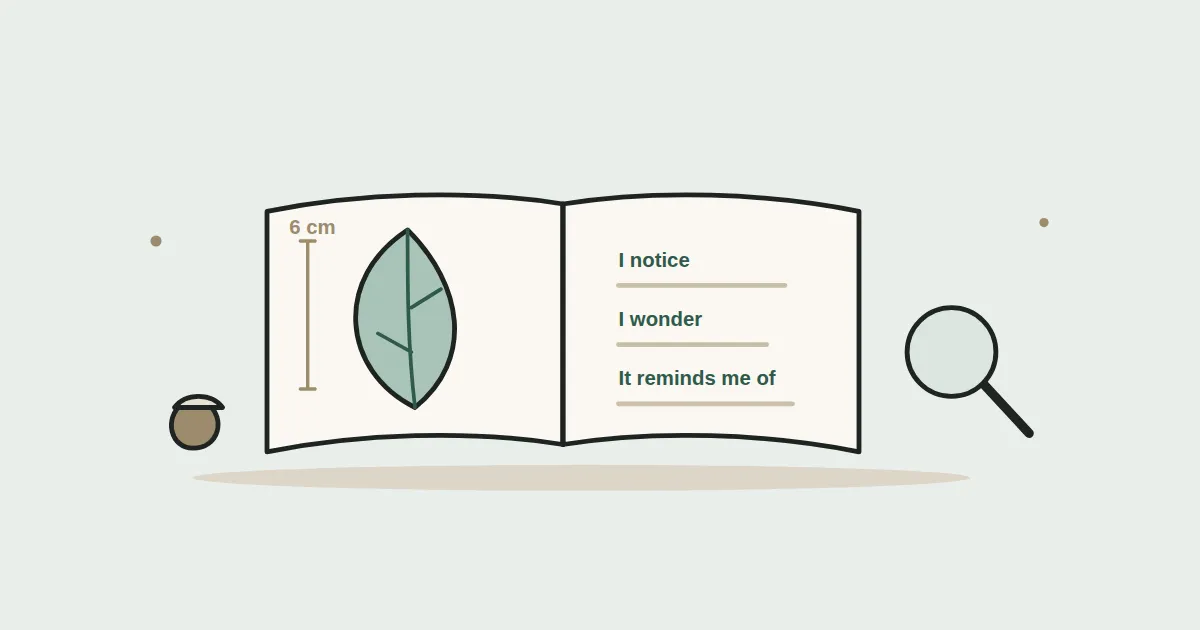
Nature journaling

Observations, sketches and notes from outside: what’s growing, the weather, what you noticed.

Try it tonightSit outside for ten minutes. Draw one thing badly and write three things you noticed.

Time
15–30 min
You’ll need
A pencil and a notebook

Good if you think better outdoors.

Read the guide →

Get organized

For when your journal and your to-do list want to be friends.

Bullet journaling

Ryder Carroll’s system of short bulleted notes for tasks, events and thoughts, with an index so you can find things again. (The Bullet Journal method)

Try it tonightWrite today’s date, then log the day: tasks as dots, events as circles, notes as dashes.

Time
5–15 min
You’ll need
A dotted notebook

Good if you want your journal and your to-do list in one place.

Read the guide →

Interstitial journaling

Short notes between tasks through the day: what you just did, what’s next, how you feel about it.

Try it tonightNext time you switch tasks, write the time and one line.

Time
1 min, a few times a day
You’ll need
A notes app or a notebook

Good if your days disappear and you want to see where they go.

Read the guide →

Digital journaling

Journaling in an app or a notes file. Searchable, always in your pocket, easy to keep private.

Try it tonightMake one note called “Journal” and add a dated line each night.

Time
Any
You’ll need
Your phone

Good if you’ll never carry a notebook, and that’s fine.

Read the guide →

All 18 types of journaling at a glance

TypeWhat it’s forTimeYou’ll need
Brain dumpClear your head5–10 minAny paper
Morning pagesClear your head30–45 minA big notebook and a pen
Stream of consciousnessClear your head10–15 minPaper or a keyboard
Prompt journalingMake sense of how you feel10–15 minA prompt
Reflective journalingMake sense of how you feel15 minA notebook
Gratitude journalingMake sense of how you feel2–5 minAnything
Unsent lettersMake sense of how you feel15–20 minPaper
One line a dayKeep a record of your life1–2 minA notebook or a five-year journal
Commonplace bookKeep a record of your life5 minA notebook
Reading journalKeep a record of your life5–10 minA notebook
Travel journalKeep a record of your life10–20 minA small notebook, a glue stick if you like
Dream journalKeep a record of your life2–5 minA notebook by the bed
Junk journalingMake something30 min+Scraps, glue, scissors
Art journalingMake something20–40 minPaints or pens, thick paper
Nature journalingMake something15–30 minA pencil and a notebook
Bullet journalingGet organized5–15 minA dotted notebook
Interstitial journalingGet organized1 min, a few times a dayA notes app or a notebook
Digital journalingGet organizedAnyYour phone

Questions people ask

What are the main types of journaling?

Most fall into five jobs: clearing your head (brain dumps, morning pages), making sense of feelings (prompts, reflective and gratitude journaling), keeping a record (one line a day, a commonplace book), making something (junk and art journals) and getting organized (bullet journaling).

The method matters less than the job you want it to do. Pick the job first and the method usually picks itself.

What is the easiest type of journaling for beginners?

One line a day or a single prompt. Both remove the two things that stop most beginners: the blank page and the time it takes.

Once one line a day feels easy, let it grow into a paragraph on the days you have more to say.

Can you mix different types of journaling?

Yes. Plenty of people keep a bullet journal for tasks and use the back pages for prompts or gratitude lists. One notebook can do several jobs.

If it gets confusing, give each job its own section, or its own color of pen.

Is it better to journal on paper or on your phone?

Paper if you want to slow down, digital if you want it searchable and always with you. The one you’ll actually open is the right one.

Handwriting is slower, which is part of the point for methods like morning pages. For interstitial notes, speed wins.

How long should you journal each day?

Long enough to write one true thing. For most methods that’s five to fifteen minutes; morning pages take closer to half an hour.

A short entry you keep writing beats a long one you dread.

And if none of these stick, that’s information too. Some people think best on a walk. Journaling is one way to let the mud settle, not the only one.

Get the free prompt pack.

240 journal prompts, sorted by topic and by how you’re feeling. Join the Mud Settles list and it’s yours, plus the occasional email when there’s something worth sharing. Unsubscribe whenever. We won’t take it personally.

No spam. Unsubscribe any time. Privacy policy

Everything in how to journal